

Paid campaigns
into a multi-channel
growth engine
The results
Up to 44%
138%
142.9%
154.1%
120%
2,874 → 6,840
Who is Babylon
Micro-Farms?
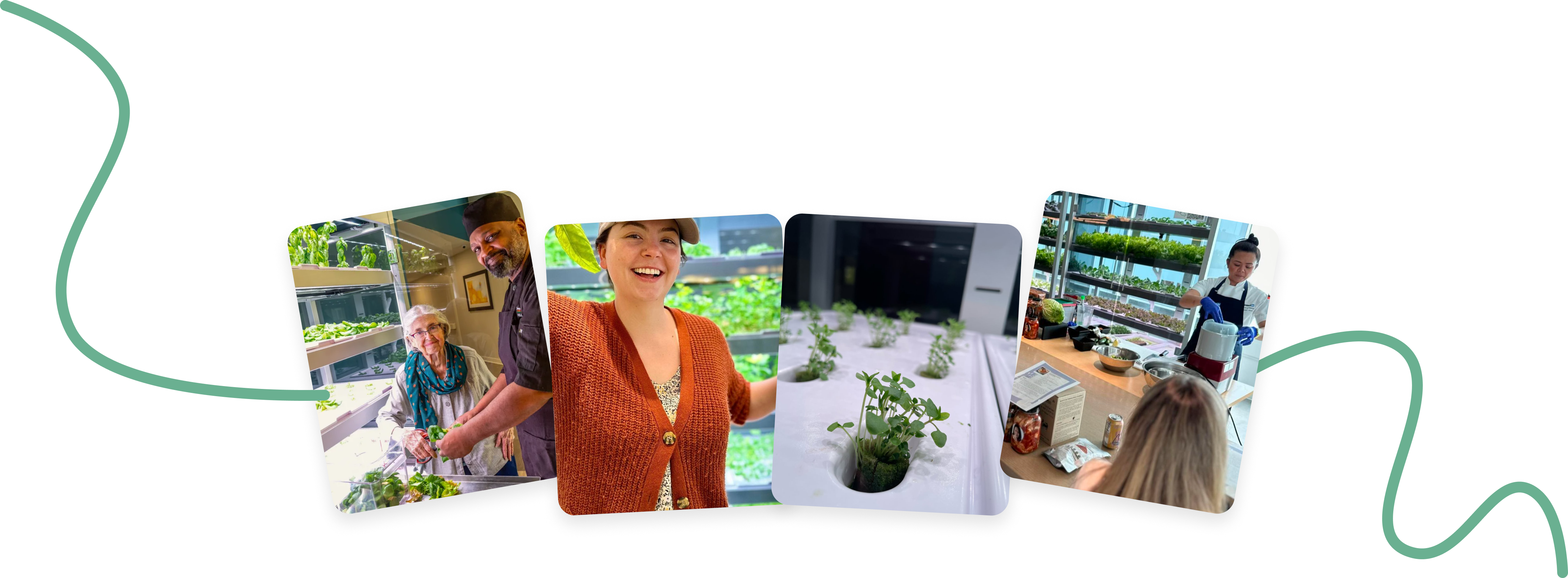
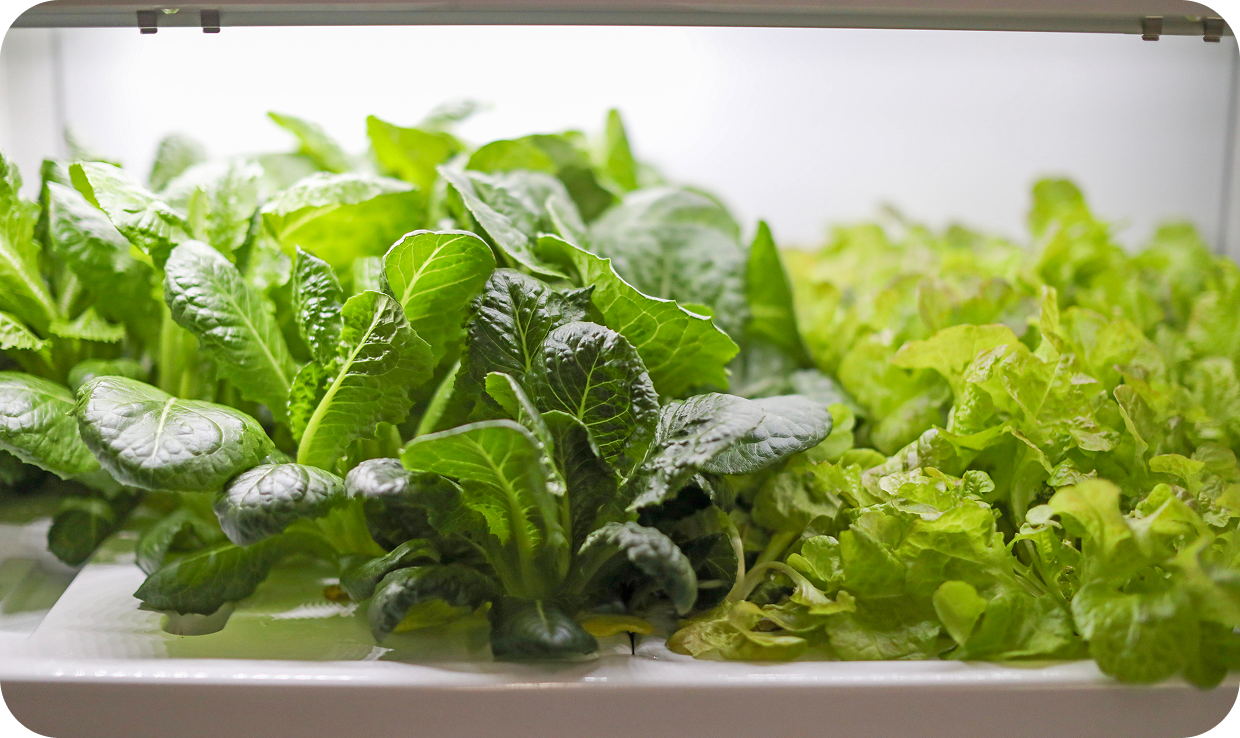
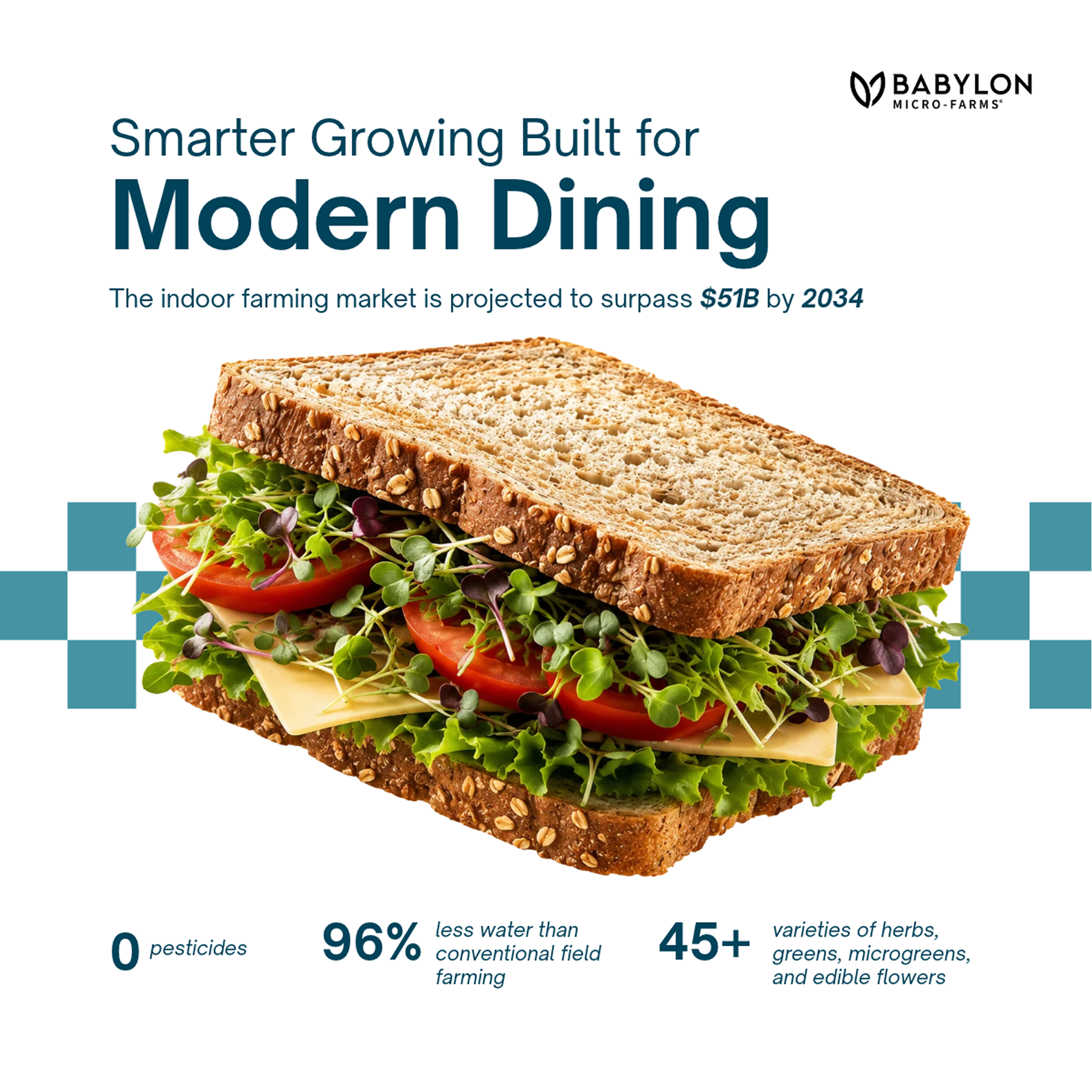
Babylon Micro-Farms, a Virginia-based indoor farming technology company that builds hydroponic growing systems for senior living, healthcare, corporate dining, education and hospitality. Its technology enables organisations to grow fresh produce on-site, bringing food production closer to the people and communities it serves.

Why Babylon
Micro-Farms
came to Groie

Babylon Micro-Farms wasn't starting from zero. They were running paid campaigns, newsletters were going out and there was already marketing activity. What was missing was a system connecting it all.
Lead generation depended heavily on paid. Organic search wasn't being used to its potential. Content didn't have a consistent engine behind it. Technical SEO issues were holding back discoverability. Social needed a clearer role in demand generation.
Groie's mandate was to turn individual marketing activities into multiple, connected avenues for growth.
What we did
Made paid acquisition work harder
We started with the channel already closest to demand: paid.
Groie rebuilt and managed Babylon Micro-Farms' acquisition across Google, Meta and YouTube, with campaigns structured around its different audiences, use cases and stages of intent. But the goal wasn't to make Babylon more dependent on ads. It was to use paid as the first layer while we built everything around it.
The result: monthly lead volume moved from approximately 8–15 leads to 110+ leads, with campaigns showing conversion potential of up to 44%.
Built the organic engine around it

While paid channels captured existing demand, we started building a system that could compound.
We created a regular search-led content program, strengthened on-page SEO, fixed technical issues including broken links and orphaned pages, improved internal linking and built content around Babylon's core industries and buyer questions.
Organic Search users grew from 2,874 to 6,840, a 138% increase.
Organic new users increased 142.9%, returning organic users grew 154.1%, and organic key events increased 120%.
Paid was bringing demand in today. Organic was being built to make acquisition stronger tomorrow.


Turned content into distribution
Publishing content wasn't enough.
We expanded distribution through LinkedIn content, LinkedIn Articles, newsletters, search-led blogs, video and founder/company-led content, giving Babylon more opportunities to show up wherever its buyers were researching.
The work also began earning visibility beyond traditional blue-link search, including appearances across AI-driven search experiences and Google AI Overviews.
Built one system, not
separate channels
Paid, SEO, content, social and email stopped operating as independent activities.
A search insight could become a blog. The blog could become a LinkedIn Article. Its strongest ideas could move into social and email. High-intent topics could inform paid campaigns. Paid performance could feed back into messaging and content decisions.
One idea. Multiple surfaces. One connected demand engine.
 Search insight

 Search-led blog
 LinkedIn Article
 Social & email
.svg) Paid campaigns
Paid campaigns
 Paid performance feeds back into messaging and content decisions.
Voices from the partnership





Paid gave us immediate demand. Then we built organic search, content, social, email and distribution around it so lead generation wasn't sitting on the shoulders of one channel.
Going from 8–15 leads to 110+ a month is the visible result. What I'm more excited about is that there is now more than one way for a buyer to discover Babylon, learn about the product and enter the funnel.”