SaaS Branding and Positioning Agency for B2B Startups
B2B SaaS messaging,
positioning and ICP mapping for better product marketing
We help you define the story: why your product exists, who it’s for, what problem it solves, and how to say it clearly across your messaging, pages, emails, and campaigns.
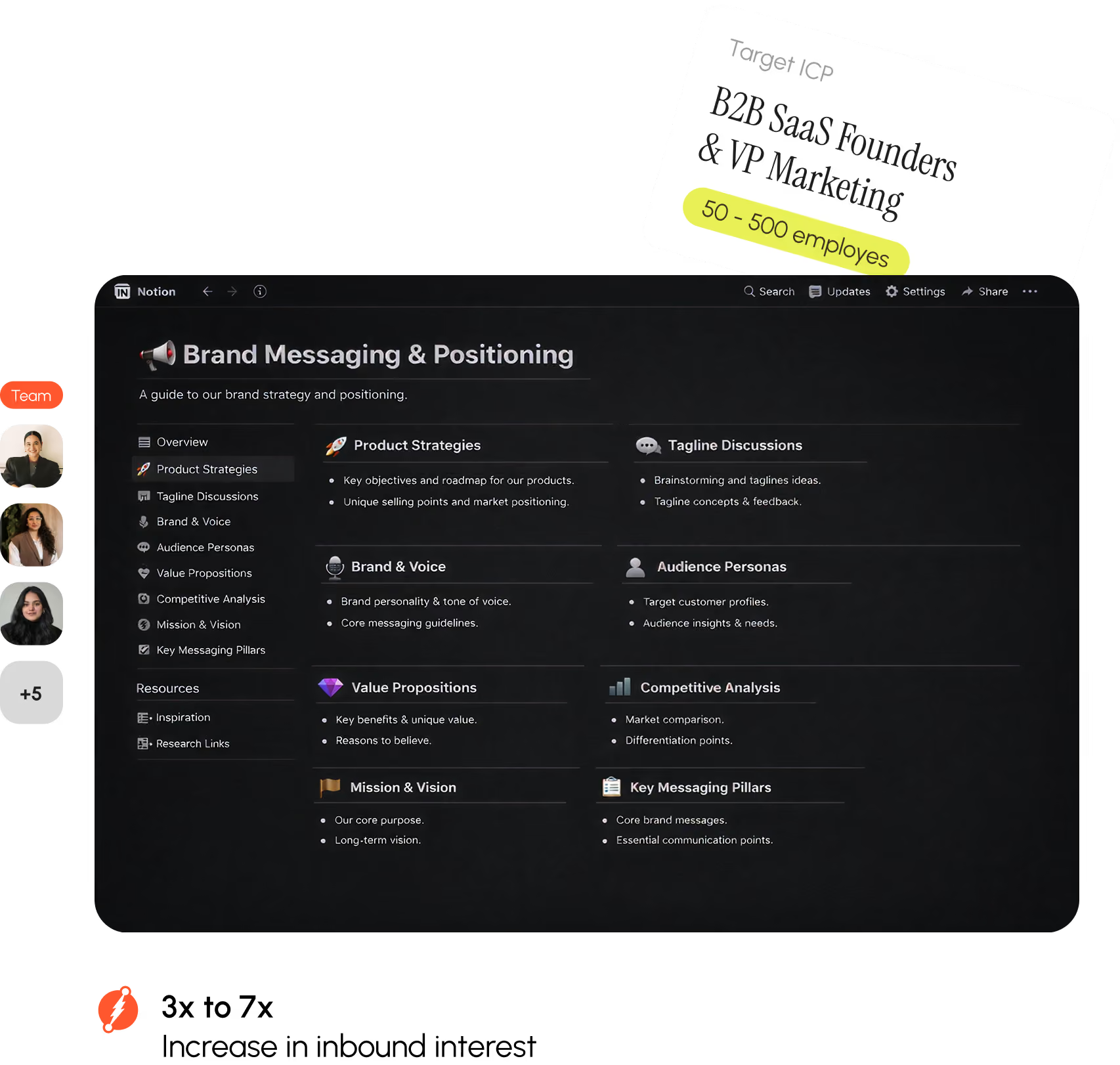
No jargons. Messaging & positioning clarity that your ICP will understand
We don’t just ask what you do. We figure out what you should be saying, who it’s for, and how to make it land in your deck, on your website, in sales calls, and across every campaign you run.
Messaging that actually gets used, not just saved in a Notion doc. We don’t stop there. We give you conversion clarity on.

.png)


Proven across B2B SaaS and services


Real outcomes
founders care about
3× to 7× increase in inbound interest
product. And have tried a ‘bit of everything’
3× to 7× increase in inbound interest
product. And have tried a ‘bit of everything’
Shorter sales cycles
What we keep hearing
from founders
Because we don’t start with branding exercises. We start with reality.
And we build messaging that survives scale.
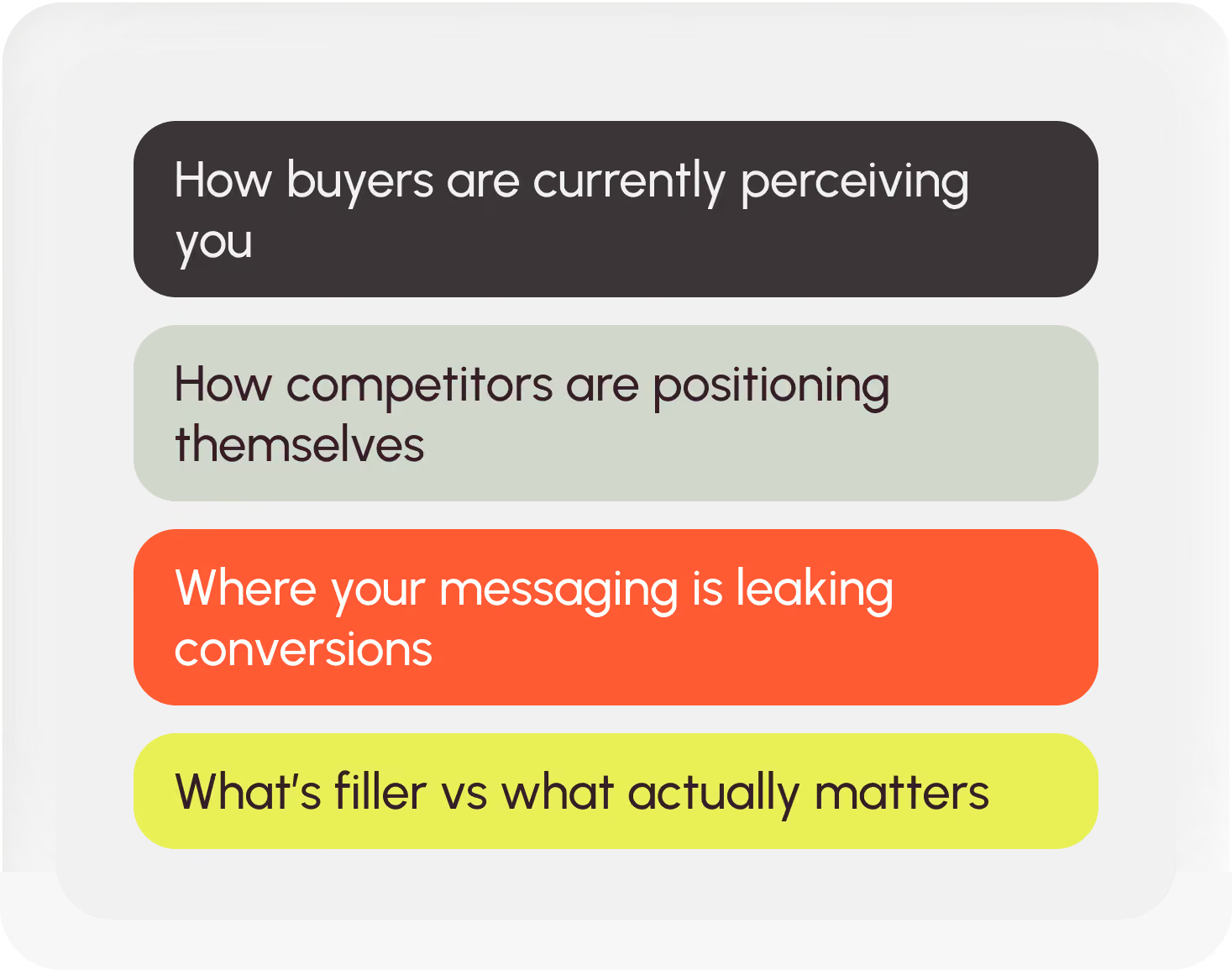
From the moment they go on a first call with us, they receive an initial audit report about their current standing.
Groie Positioning and Messaging Services
If your product is strong but your story
isn’t landing, let’s work on that first.
The most ‘frequently asked questions’
Clarity on the story behind your product: why it exists, who it's for, what problem it solves, and how to say all of that in language your buyers understand. For us that shows up as messaging you can actually use across your website, sales decks, outbound, SEO pages, and fundraising conversations, rather than a document that gets saved and forgotten. The goal is positioning that survives scale, not a one-off branding exercise.
We map each ICP before writing a word, so we're clear on who each one is, what they care about, and how they'd describe the problem you solve. From there we work out what should stay consistent across audiences and where the message needs to flex. That keeps your core story intact while letting each segment hear something that lands for them specifically.
Look for a team that starts with your buyer and your product reality rather than logos and taglines. PLG lives or dies on whether someone understands the value fast, so you want messaging clarity that carries through the site, the onboarding, and every touchpoint before a sales rep is involved. That's the work we do: figuring out what you should be saying and making it land wherever a user meets your product.
Positioning is the decision about where your product sits, who it's for, and what problem it solves better than the alternatives. Messaging is how you say that out loud across your pages, decks, emails, and calls. You need the positioning settled first, because messaging built on a fuzzy position just spreads the confusion around more fluently.
It helps to start from evidence rather than opinion. On a first call with us, teams receive an initial audit covering how buyers currently perceive them, how competitors are positioning themselves, and where their messaging is leaking conversions. Grounding the conversation in that reality gives stakeholders something concrete to align on, which moves the discussion past personal preference and toward what the market is actually telling you.
It begins with an audit of where you stand: how buyers see you, how competitors are positioned, and where your current messaging is costing you conversions. From there we define the story, why your product exists, who it's for, and what problem it solves, then translate it into messaging across your website, sales decks, outbound, SEO pages, and fundraising conversations. The output is language your team uses day to day, not a deck that gets shelved.
When buyers understand what you do and who it's for within seconds, they stay and self-qualify instead of bouncing. Unclear messaging leaks conversions at every step, from the hero section to the demo request. Tightening it is one of the fastest ways to move the numbers, which is why we focus on where your messaging is losing people rather than just making it sound nicer.
Traditional branding often leads with visuals and tone. SaaS positioning has to start with the product reality and the buyer, because you're selling something people evaluate on function, fit, and time to value. We don't start with branding exercises, we start with reality, then build messaging that holds up as you scale and shows up consistently across product marketing, sales, and demand.