- HubSpot management
agency for B2B SaaS
HubSpot setup and management that actually drives pipeline, not just activity
If your HubSpot feels messy, underused, or disconnected from your GTM, this is where we fix it.
+12.6% MoM
Active
What HubSpot management should do for your business
Good SaaS design does more than look clean.

Reduce manual work across marketing and sales
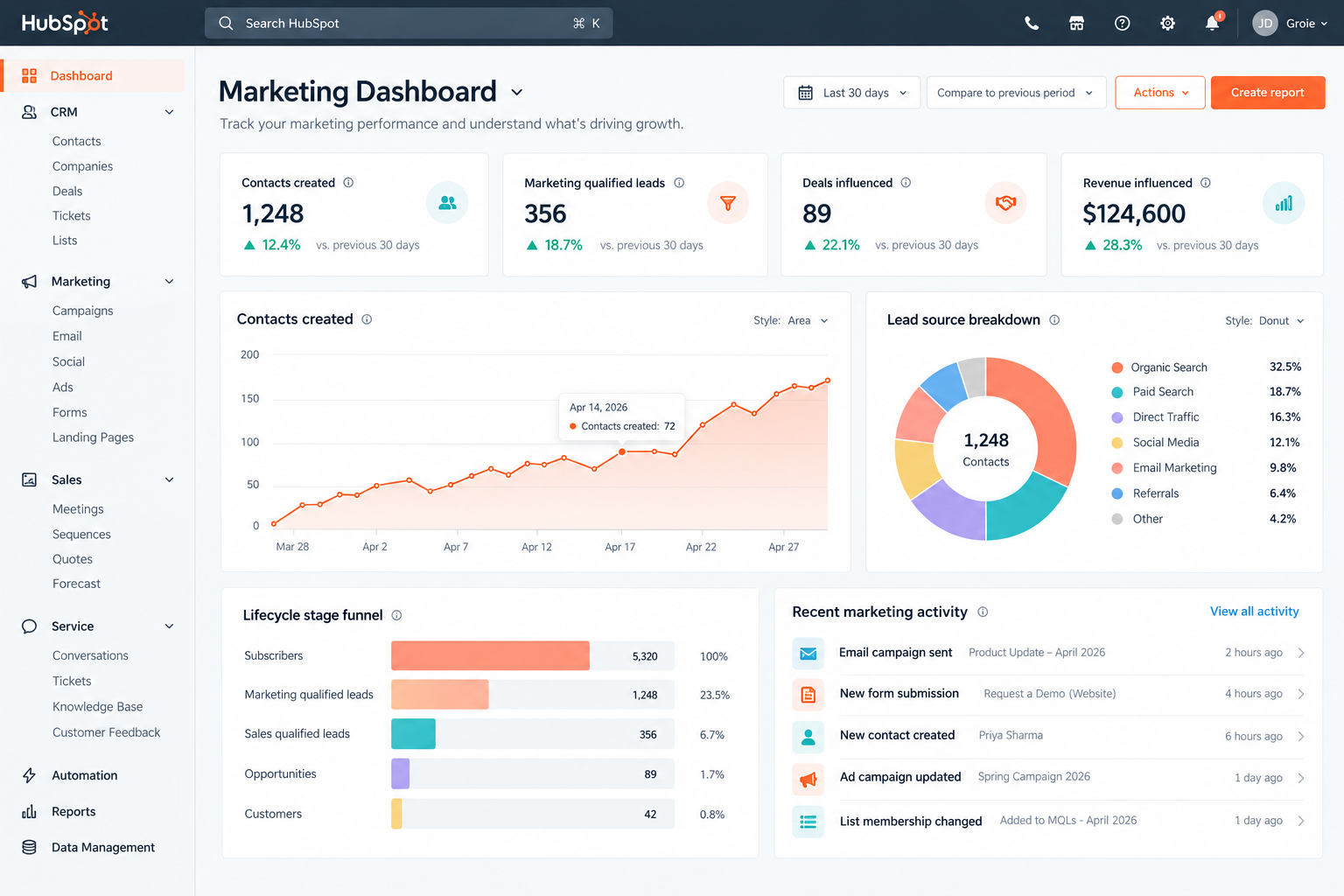
Give clear visibility into pipeline and performance
Support consistent lead nurturing and follow-ups
Turn data into decisions, not confusion
Align marketing, sales, and customer success
Enable predictable pipeline growth
Messy HubSpot creates confusion. A clean system creates velocity.
Groie’s approach to HubSpot management
We work as a HubSpot management partner that understands revenue operations, not just the platform.
HubSpot configuration is never isolated from how your team sells.
Our approach connects

Your ICP and segmentation
Lead sources and lifecycle stages
Automation workflows and sequences
Sales pipeline structure
Reporting that actually matters


HubSpot setup for early-stage SaaS
If you’re early-stage, we don’t overbuild. We help you set up HubSpot in a way that supports growth from day one.
As part of our HubSpot onboarding services, we
Define lifecycle stages clearly
Avoid over-automation that breaks later
Set up only essential workflows first
Build a system that scales with your GTM
Fixing underperformingHubSpot accounts
Most teams already have HubSpot. It just doesn’t work the way it should.


Who this is for
This service fits if you are
If your team doesn’t trust HubSpot, they won’t use it. That’s a system problem.
A SaaS startup setting up HubSpot for the first time
A scaling team whose CRM has become a mess
A sales leader who can’t trust their pipeline data
A marketing team with no visibility into what’s converting
A founder preparing for fundraising who needs clean revenue reporting




Ready for a HubSpot that your team actually uses?
If you need a HubSpot management partner that understands sales, marketing, and scale — let’s talk.
The most
‘frequently asked questions’
It turns HubSpot into a working growth system instead of a place where dashboards and workflows pile up unused. We connect your ICP and segmentation, lead sources and lifecycle stages, automation, pipeline structure, and reporting, so the CRM actually supports how you sell and grow. The focus is revenue operations, not just configuring the platform for its own sake.
It starts with clear lifecycle stages and clean segmentation, because a sequence is only as good as the data feeding it. From there we map nurturing to where a lead actually sits, so follow-up is consistent and relevant instead of generic blasts. The aim is nurturing that moves people through the pipeline, which means tying every sequence back to lifecycle stage and intent rather than sending on a timer.
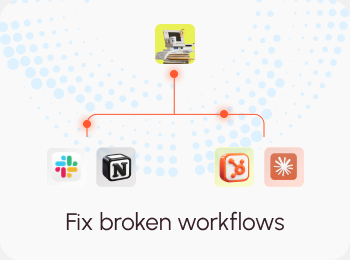
Generally ongoing work across the areas that keep a CRM healthy: cleaning messy or duplicate data, fixing broken workflows, improving lead tracking and attribution, aligning marketing and sales pipelines, and making reporting usable for decisions. The through-line is keeping the system aligned with how you sell as the business changes, so HubSpot stays a growth tool rather than drifting back into a mess.
Over-automating early, skipping clear lifecycle stage definitions, and building workflows that break as soon as the GTM motion shifts. Teams also let data get messy fast, which quietly erodes trust in the pipeline. We set up only the essential workflows first and define lifecycle stages clearly, because a clean, simple system scales far better than an elaborate one nobody trusts.
An email agency mostly owns campaigns and copy. An implementation partner sets up the system underneath: lifecycle stages, workflows, data structure, and reporting. We sit closer to the second, treating email and nurturing as part of a wider CRM and pipeline setup rather than a standalone channel, so your sequences fire off clean data and tie back to real pipeline stages.
Usually when a lightweight CRM stops giving you visibility: leads slip through, lifecycle stages are unclear, and no one trusts the pipeline data. If you're early-stage we don't overbuild, we set HubSpot up to support growth from day one with essential workflows and clean lifecycle stages, avoiding the over-automation that breaks later. The trigger is less about headcount and more about needing a system your team can actually rely on.
We tie lead sources and lifecycle stages to what's happening in your pipeline, so you can see which channels create qualified pipeline and revenue, not just leads. That means improving lead tracking and attribution inside HubSpot and building reporting that supports decisions. Once the data is clean and mapped correctly, connecting it to paid performance gives you a real view of what's converting instead of guesswork.
Pick for how your team actually sells, not for the longest feature list. As you scale you need clean lifecycle stages, dependable pipeline data, reporting leadership can act on, and automation that won't break under more volume. If your team avoids the CRM, the problem is usually the system rather than the tool, so the real question is whether it's set up to support your sales motion as it grows.